


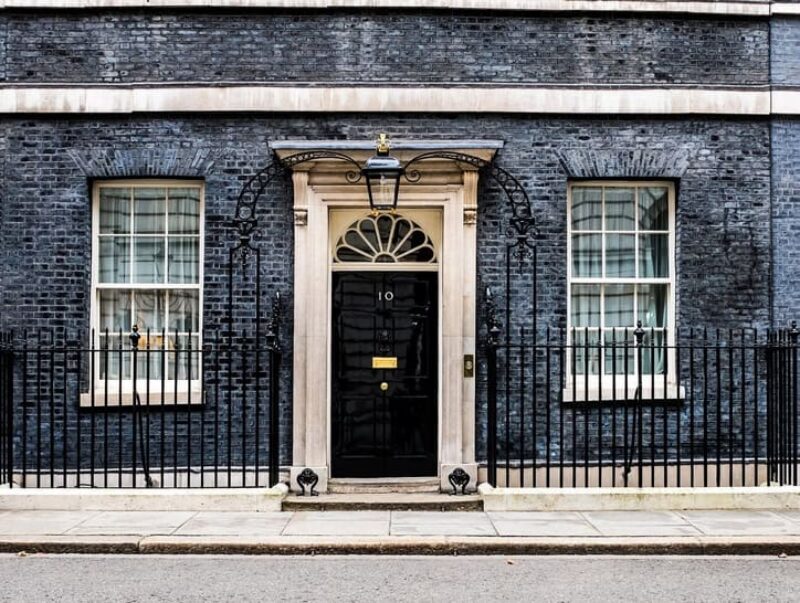
After running uncontested, Andy Burnham became the new leader of the Labour Party and, therefore, took over from Keir Starmer as prime minister.
In his first few days of leadership, he targeted the cost of living, announcing a VAT cut on electricity bills and a cap on bus fares. However, he has yet to set out the bigger changes that are likely to come in the next Budget.
Naturally, you might be concerned about what a change of leadership could mean for your finances, especially if Burnham makes significant changes to tax and spending.
However, if you focus on alarmist headlines and make decisions based on speculation, you could end up harming your long-term financial security. Fortunately, you don’t need to do that as you have our support.
Read on to learn what might change now that Andy Burnham is prime minister and, more importantly, how we can help you navigate the transition.
Andy Burnham has suggested several changes to taxation that could affect you
It’s important to remember that, until more is announced, we can’t know for sure what Burnham’s policies will be.
That said, his recent speeches, along with his record as mayor in Manchester, give us some indication of the changes he could make. He has previously said that work is overtaxed and wealth is undertaxed, and he will introduce changes to rectify this.
These policies might include:
- Raising the Personal Allowance threshold
- Increasing Capital Gains Tax (CGT)
- Changing Inheritance Tax (IHT)
- Replacing Council Tax with a new system deemed to better reflect the current value of properties
- Reducing business rates for high-street shops, pubs, cafes, and hairdressers
- Increasing taxes on the warehouses of online retail giants such as Amazon.
Many of these policies could affect your personal financial position, some positively and others negatively. That said, it’s important to avoid reactionary decisions until we have a clear picture of upcoming legislation.
When this happens, there are three important ways that your financial planner can support you.
1. Cutting through the noise to help you understand changes
There is a lot of media noise during times of political turmoil, and you’ve likely already seen headlines about Andy Burnham and his potential policies.
It’s easy to panic when newspapers and social media feeds are filled with inflammatory language and warnings of “tax raids”. The sheer volume of speculation can be overwhelming, and you might decide to get ahead of changes by adjusting your financial plan.
For instance, you may rush to sell assets earlier than planned in case Burnham increases CGT.
However, when you look beyond the alarmist headlines, you might find that the changes won’t affect you as much as you first thought.
For instance, if you’re investing £20,000 through a Stocks and Shares ISA each year and not investing elsewhere, you’re unlikely to be affected by a CGT increase.
It’s also important to note that some of the rumoured changes won’t happen, so you could end up making unnecessary changes to your financial plan, leaving you worse off. Selling investments prematurely, for example, may mean you miss out on future growth.
One key benefit of working with a financial planner is that we can help you cut through all the media noise and understand the reality behind legislative changes. More importantly, we can explain clearly how new rules will affect your personal financial position.
2. Offering reassurance that you can still meet your goals
In some cases, a new prime minister and the changes that come with them will impact your financial plan.
For example, if a new Council Tax regime means that you pay more, you might have less income left over to contribute to your savings and investments. This could have a marked effect on the amount of wealth you build, so you’ll likely be worried about what this means for your quality of life now and in the future.
Fortunately, an increase in your outgoings or the amount of tax you pay doesn’t always mean you won’t be able to meet your long-term goals.
We provide reassurance here by using cashflow planning software. After inputting detailed information about your income, expenses, and savings, we can see what your future financial position is likely to look like.
Crucially, we can adjust variables and model what impact legislative changes might have. Often, we’ll be able to demonstrate that you’re still on track to meet your wider goals and achieve the lifestyle you want, even if the specifics of your plan have changed slightly.
3. Adjusting your financial plan when necessary
When we look at cashflow plans, we might find that new legislation will threaten your ability to meet certain goals.
If this is the case, we can help you adjust your financial plan so you can still achieve your dream lifestyle.
For instance, we may:
- Explore ways to improve tax-efficiency
- Review your budget and find areas to reduce spending so you can save more
- Adjust your investment portfolio to potentially generate more growth
- Discuss changing certain goals such as financially supporting family members
- Consider how altering your planned retirement age will affect your savings goals.
By regularly reviewing your financial plan and making adjustments when needed, we can ensure you are always on track, despite any political and economic changes that affect you.
Get in touch
If you’re concerned about how a new prime minister could affect you, please get in touch to find out how our team of VouchedFor Top Rated planners could help today.
Please note
This article is for general information only and does not constitute advice. The information is aimed at individuals only.
All information is correct at the time of writing and is subject to change in the future.
Please do not act based on anything you might read in this article. All contents are based on our understanding of HMRC legislation, which is subject to change.
The Financial Conduct Authority does not regulate cashflow planning or tax planning.
The value of your investments (and any income from them) can go down as well as up and you may not get back the full amount you invested. Past performance is not a reliable indicator of future performance.
Investments should be considered over the longer term and should fit in with your overall attitude to risk and financial circumstances.